
The Game Changers & You Are What You Eat: When Netflix Shakes Up the World's Table
How did two Netflix documentaries shake an industry worth hundreds of billions? A full analysis of The Game Changers and You Are What You Eat.
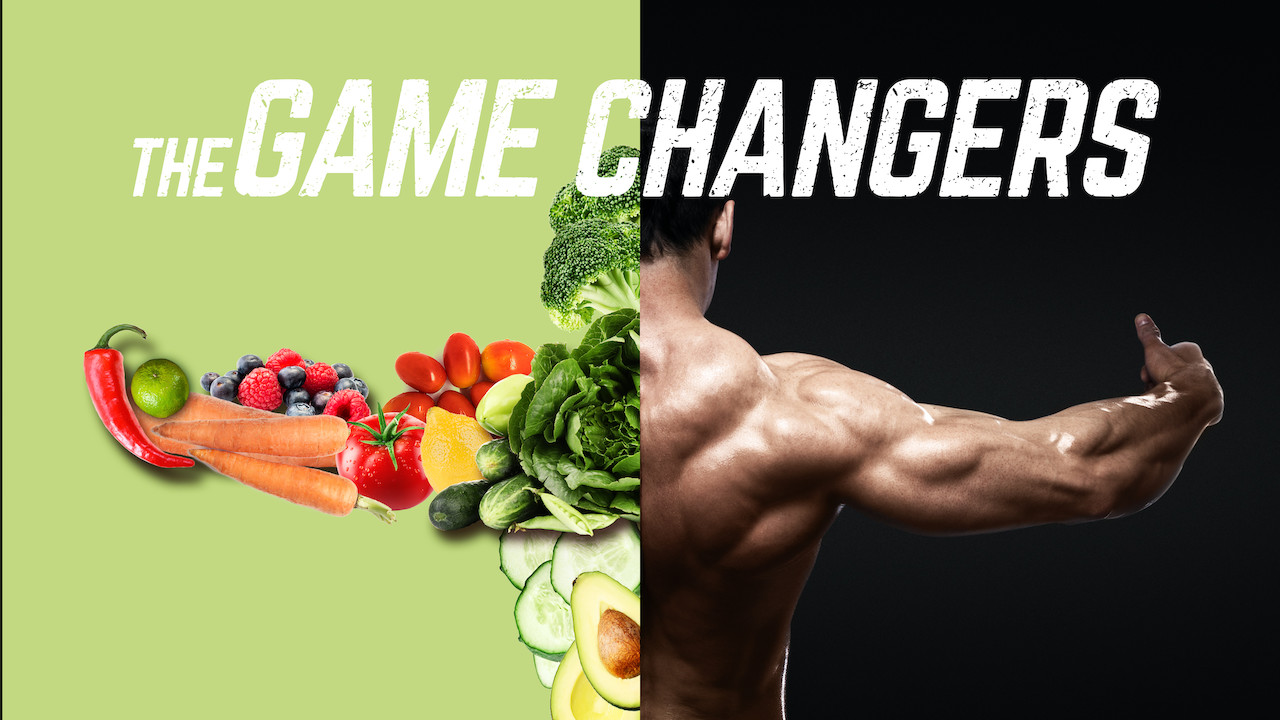
What these films actually change on your plate
You've just crossed two tectonic shifts in the modern food narrative: The Game Changers (the emotional shock) and You Are What You Eat (the clinical validation). To turn that shock into lasting movement, here's an ultra-practical translation in 4 axes:
1. Shift from "less meat" to "more plants"
Instead of thinking in terms of restriction, think of smart filling:
- One 100% plant-based meal a day (lunch or dinner) for 2 weeks
- Simple target: 1 legume + 1 whole grain + 2 vegetables at each meal
- Ultra-simple examples:
- Gladiator bowl: barley + roasted chickpeas + leafy greens + tahini-lemon
- Baboumian bowl: brown rice + lentils + broccoli + pumpkin seeds
2. Align with the Stanford evidence (without being a twin)
The markers that shifted in the twins: LDL, visceral fat, microbiome, weight.
Practical translation over 8 weeks:
- Every day:
- 2 handfuls of leafy greens
- 1 serving of legumes (lentils, chickpeas, beans…)
- 1 red or coloured fruit (polyphenols for the microbiome)
- 2 to 3 times / week:
- Replace a meat dish with: tofu, tempeh, seitan, or a grain+legume mix
3. Performance, recovery, circulation
Echoing the striking scenes in Game Changers (blood plasma, erections, athletes):
- Before / after training:
- Performance smoothie: banana + oats + plant milk + ground flax seeds
- Recovery plate: quinoa + red kidney beans + avocado + colourful vegetables
- For circulation:
- Add daily: beetroot, rocket, watercress, or pomegranate (nitrates and polyphenols)
4. A minimalist 30-day path
Week 1: observe
- Note energy, digestion, sleep, mood
- Add 1 extra serving of vegetables per day
Week 2: experiment
- 3 fully plant-based dinners
- Replace dairy with plant alternatives at least 50% of the time
Week 3: structure
- Batch-cook a large legume dish on the weekend
- Prepare a recurring plant snack (hummus + raw veg, fruit + nuts)
Week 4: refine
- Take stock: what's easy to keep?
- Set your own "plant baseline" (e.g. 80% plant, 20% flexible)
5. The real message behind the images
- You don't need to be perfect, or 100% vegan, to enjoy the observed effects.
- The most powerful lever isn't ideological, it is daily: what you put in your next bowl.

Whole oats provide complex carbohydrates that help tryptophan cross into the brain, the direct precursor of serotonin. Pumpkin seeds add zinc and magnesium, essential cofactors for neurotransmitter synthesis. Together they create a biochemical terrain that supports a more stable mood and a more peaceful relationship with food.
Active compounds
Food vibration: classic meat plate vs complete plant plate
Bovis units (UB)
The Bovis scale measures the energetic vitality of a food — the higher the number, the more the food supports the body's vitality. Indicative, not dogmatic.
Industrial animal protein, oxidised fats, refined sugars. Short satiety, digestive heaviness, unfavourable metabolic impact.
Good-quality meat with a few vegetables and starches. Acceptable compromise, but still centred on the animal.
High nutritional density, abundant fibre, varied colours, positive impact on the microbiome and cardio-metabolic markers.
The richer the plate is in whole plant foods, the higher the overall "vibration" — perceived energy, lightness, clarity — rises.
Three ways to eat after watching the documentaries
Daily food style
Watch, be outraged… then change nothing
The documentaries remain at the stage of emotional shock. Immediate return to old habits, no concrete adjustment on the plate.
Examples
Frequent fast food, processed meats, few vegetables, sugary drinks.
Effects
Frustration, dissonance between what one knows and what one does, stagnation of health markers.
Intuitive flexitarian
Meat is kept but the plant share rises, without clear structure. A few plant-based meals, but irregular.
Examples
Salads with a little chicken, an occasional veggie burger, dairy + fruit.
Effects
Slight improvements, but variable results. A feeling of "doing a bit better" without deep transformation.
Structured plant-based baseline
The plate is centred on whole plant foods; meat becomes optional or disappears. Choices are aligned with the scientific data.
Examples
Grain + legume bowls, vegetables at every meal, fruit and nut snacks, unsweetened drinks.
Effects
More stable energy, better digestion, likely improvement in cardio-metabolic markers, a sense of inner coherence.
The films light the fuse, but it is the structure of your daily life — chaos, neutral, or divine — that determines the real impact on your health and your future.
“We are not only what we eat — we become what we repeat.”
Written by
Virgile
Chef & researcher in plant nutrition
20 years of research. Resident chef at Maison ilā (The Times Top 50 World Spas). Founder of levegetalien.fr. I formulate foods that transform how we feel and think.
Receive the Notebook
Every Tuesday, one ingredient to understand. One page, a recipe, a find. And when we meet someone who deserves it, their portrait. In your inbox, quietly.
Related articles
Why Go Plant-Based — The Body, the Heart and the Earth Have Already Answered
Let's seek nuance and clarity on a subject we've made needlessly complex.
Plant Proteins: The Strength of the Living
You've been asked a thousand times: "where do you get your protein?". This article won't give you yet another table. It takes you on a journey through DNA, biophotons and the intelligence of the living — to finally understand why the plant kingdom isn't a second-rate alternative, but the primary source.
The Awakeners of the Plant World: Figures Who Understood Before Others
From Pythagoras to Joaquin Phoenix, an invisible thread links the minds who embraced the plant world before others. A journey through 2,500 years of food consciousness.