

Naturopathy: The Ancient Art of Letting the Body Restore Itself
What if the most powerful medicine were not the one we swallow, but the one we set free? Naturopathy starts from a radical premise: the body holds an innate intelligence of self-renewal. The naturopath's role is to awaken it, not to replace it.
The Forgotten Intelligence
What if the most powerful medicine were not the one we swallow, but the one we set free?
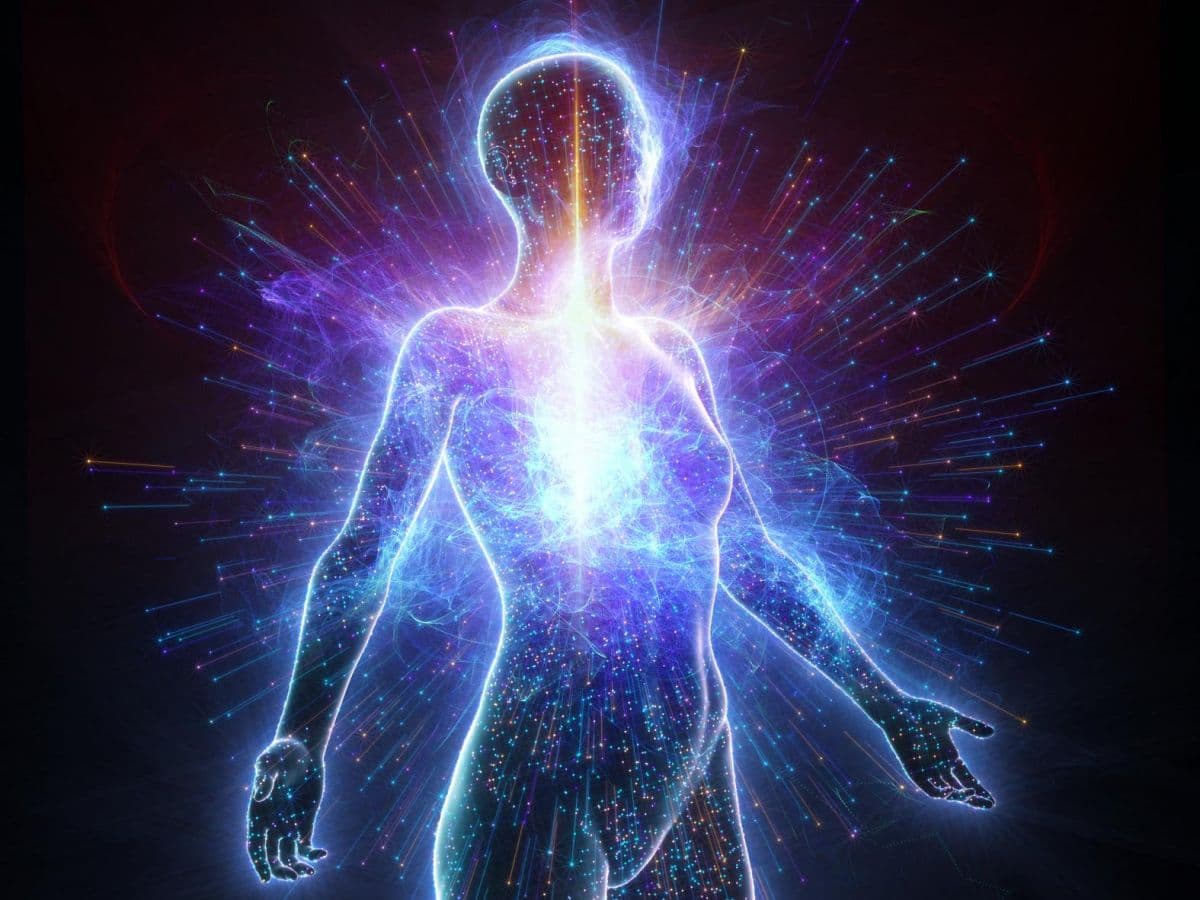
Naturopathy starts from a radical premise, in a world obsessed with the miracle pill: the body holds an innate intelligence of renewal. A vital force — vis medicatrix naturae — that knows how to repair, regenerate and rebalance. The naturopath's role is not to act in the body's place. It is to create the conditions in which the body remembers how to restore itself. It is a colossal philosophical difference — and it is this difference that makes naturopathy one of the most relevant approaches for the conscious plant-based world.
The Origins: From Hippocrates to Marchesseau
Hippocrates — The Spiritual Father
It all begins with a sentence everyone knows, without always measuring its depth:
“Let food be your only medicine.” — Hippocrates (460–370 BC)
Hippocrates of Kos, the Greek physician regarded as the founder of Western medicine, was already laying the foundations of what would become naturopathy: the primacy of lifestyle, respect for the body's vital force, and the conviction that nature — physis — is the first physician.
For Hippocrates, illness is not an outside invader to be fought. It is the sign of an inner imbalance — an excess of humours, a clogged terrain, a misaligned way of life. Taking care begins with restoring the natural order. This 2,400-year-old vision remains the philosophical bedrock of all modern naturopathy.
Benedict Lust — The American Founder
The word “naturopathy” itself was coined by John Scheel in 1895, then popularised by Benedict Lust (1872–1945), a German who emigrated to the United States. In 1901, Lust founded the American School of Naturopathy in New York — the first school of naturopathy in the world.
His approach brought together the best of Europe's natural traditions: hydrotherapy (inherited from Sebastian Kneipp), herbalism, nutrition, physical exercise and relaxation techniques. He laid the foundations of a discipline that refuses to separate body from mind, food from emotion, the physical from the spiritual.
Pierre-Valentin Marchesseau — The Father of French Naturopathy
In France, it is Pierre-Valentin Marchesseau (1911–1994) who is regarded as the father of naturopathy. A biologist, philosopher and practitioner, Marchesseau synthesised the American and European approaches into a coherent system that he taught for decades. He trained entire generations of French naturopaths, some of whom became major figures — among them Irène Grosjean, to whom we will devote an article of her own.
Marchesseau structured naturopathy around clear principles, codified techniques and a rigorous philosophy: health is not the absence of illness — it is the fullness of vitality.
International Recognition
The World Health Organization (WHO) recognises naturopathy as a “traditional medicine”, alongside Ayurveda and traditional Chinese medicine. This is no cosmetic label — it is the recognition that this approach, practised in different forms for millennia, forms a coherent system of care.
To discover one of Marchesseau's most luminous heirs, read our portrait of Irène Grosjean.
The 5 Fundamental Principles
Naturopathy rests on five philosophical pillars that, together, form a complete vision of health.
1. Vitalism
The body possesses a vital force — an intelligent energy capable of self-renewal. This force goes by different names across traditions: prana in India, qi in China, vis medicatrix naturae in the West. The naturopath does not act in the body's place. They support, stimulate and free this vital force so it can carry out its work of repair.
It is a reversal of perspective: renewal does not come from outside. It comes from within. The practitioner is a facilitator, not a saviour.
2. Humourism
Health depends on the quality of the body's “humours” — the fluids that run through it: blood, lymph, intracellular fluid, extracellular fluid. When these humours are clean and flowing, the body works in harmony. When they are overloaded with toxins, metabolic waste and uneliminated food residues, imbalance sets in.
Humourism is why naturopathy places such importance on purification: cleansing the humours means restoring the terrain.
3. Causalism
Never stop at the symptom — always look for the root cause. A headache is not a paracetamol deficiency. It may be dehydration, tension in the neck, an overloaded liver, unresolved emotional stress — or a combination of all of these.
Causalism requires the naturopath to trace the chain of causes back to the root of the imbalance. It is physiological detective work that takes time, listening and a global understanding of the person.
4. Hygienism
Lifestyle is the first medicine. Before any plant, any supplement, any technique, there are five fundamental levers: food, movement, sleep, breathing and stress management. When these five pillars are solid, the body has immense resources to stay healthy. When they are neglected, nothing can make up for it in the long run.
Hygienism is the most pragmatic dimension of naturopathy: it asks us to believe in nothing — it asks us to act, every day, in the most ordinary gestures.
5. Holism
The human being is a whole. Physical, emotional, mental, spiritual — these dimensions are not separate compartments. They influence one another, constantly. Unexpressed grief can become lasting pain. A toxic food can breed anxiety. An obsessive thought can disturb digestion.
Naturopathy refuses to reduce health to an organ or a symptom. It considers the person as a whole — and it is this vision that makes it so naturally compatible with Le Végétalien's approach.
The 10 Naturopathic Techniques
Marchesseau codified ten techniques the naturopath uses to accompany clients. They are divided into three major techniques and seven complementary ones.
The 3 Major Techniques
These three pillars are the foundations of all naturopathic support:
- Nutrition (Bromatology): the art of nourishing the body with living foods suited to each person's constitution. It is the most powerful and most immediate lever. Naturopathy favours plant-based, raw, organic food — rich in enzymes, vitamins and vital force.
- Physical Exercise (Kinesiology): movement is essential to the circulation of the humours, the oxygenation of cells and the elimination of toxins. Not necessarily intense sport — walking in nature, yoga and gentle swimming are perfectly suited.
- Psycho-Emotional Management: relaxation, meditation, breathing techniques, stress management. The mind influences the body as much as the other way round. A naturopath who ignored the emotional dimension would be like a gardener watering the leaves and forgetting the roots.
The 7 Complementary Techniques
- Hydrology: the beneficial use of water — hot, cold and alternating baths, contrast showers, wraps. Water is a vehicle of purification and circulatory stimulation.
- Phytology: the use of plants from the herbal tradition — infusions, mother tinctures, macerates, decoctions.
- Aromatology: essential oils, powerful plant concentrates, used through smell, on the skin or in diffusion.
- Manual Techniques: wellbeing massages, lymphatic drainage, bodywork — to release tension and revive circulation.
- Reflexology: stimulation of reflex zones on the feet, hands or ears, corresponding to the body's organs and systems.
- Breathing Techniques: conscious breathing exercises (pranayama, heart coherence) to regulate the autonomic nervous system.
- Energetic Techniques: magnetism, laying on of hands — the subtlest dimension, for those who are receptive to it.
Naturopathy and Plant-Based Living: A Natural Alliance
The Common Ground
Naturopathy and conscious plant-based eating share a fundamental conviction: living food is the first medicine.
Naturopathy considers raw, plant-based food the foundation of optimal health. Intact enzymes, vitamins unharmed by cooking, the food's preserved vital force — all of this echoes Le Végétalien's concept of the Biotic Unit. The more alive a food is, the more deeply it nourishes.
The Classic Programmes: Cleansing, Mono-Diet, Fasting
The great naturopathic programmes — cleansing (clearing the emunctories), the mono-diet (eating a single food for 1 to 3 days to let the digestive system rest), and fasting (partial or complete, always supervised) — are practices that the plant world makes naturally easier.
A green-juice fast, a grape mono-diet, a few days of vegetable broths — these protocols rest on the purest, most living foods nature offers. Naturopathy and plant-based living are not parallel paths — they are convergences.
The Complete Synergy
Naturopathy + conscious plant-based eating = a powerful synergy. One brings the philosophy and the techniques; the other brings the raw material — high-vibration foods. Together they form a complete art of living: nourishing the body, respecting its vital force, and making every meal an act of awareness.
For an in-depth exploration of the body's purification, discover our portrait of Dr Robert Morse.
The Major Schools in France
For those who wish to train, or simply to understand the landscape of naturopathy in France:
- CENATHO (European College of Traditional Holistic Naturopathy) — founded by Daniel Kieffer, one of France's most respected naturopaths
- ISUPNAT (Higher Institute of Naturopathy) — a complete training over 3 to 4 years
- Académie de Vitalopathie — a specific approach centred on vitalism
Training generally lasts 3 to 4 years and covers all the naturopathic techniques, anatomy, physiology, psychology and the nutritional sciences.
Important note: naturopathy is not yet regulated in France, and there is no state diploma. To choose a reliable practitioner, we favour those certified by the FENA (French Federation of Naturopathy) or the OMNES (Organisation for Natural Medicine and Health Education). These federations guarantee a standard of training and a professional code of ethics.
Naturopathy Today: Relevance and Nuance
What Naturopathy Is
Naturopathy is a system of health education. It teaches us to understand our body, respect its rhythms and nourish its vital force by natural means. It is preventive and educational above all.
What Naturopathy Is Not
Naturopathy does not replace conventional medicine for emergencies, serious illness or complex diagnoses. A good naturopath knows this and says so. They never claim to replace a doctor or a surgeon. They accompany, prepare the terrain and support the process — while respecting the limits of their art.
Le Végétalien recommends this common-sense approach: relying on naturopathy for prevention and for optimising health, while remaining open to conventional medicine when the situation calls for it. The two are not opposed — they complete each other.
Naturopathy does not act in the body's place. It creates the conditions for the body to remember how to restore itself. And that memory always begins in the same place: on the plate, in the breath, in silence — in those daily gestures where, quietly, the essence of our vitality is at play.
Griffonia simplicifolia is an African plant whose seeds are naturally rich in 5-HTP, the direct precursor of serotonin. In naturopathy it is used to support low spirits, evening sugar cravings and restless sleep, always alongside an overall healthy lifestyle (living food, stress management, natural light).
Active compounds
The Vibration of a Naturopathic Lifestyle
Bovis units (UB)
The Bovis scale measures the energetic vitality of a food — the higher the number, the more the food supports the body's vitality. Indicative, not dogmatic.
A way of life poor in nutrients and movement and rich in toxins, which gradually drains the vital force.
Alternating phases of “good resolutions” and returns to old patterns, creating a fluctuating energetic terrain.
Mostly plant-based food, daily movement, respected sleep, stress management and a regular bond with nature.
The more a lifestyle aligns with naturopathic principles, the higher the overall vibrational level of the terrain rises.
Three Ways of Eating According to Naturopathy
Everyday eating
Chaos eating
Dead, ultra-processed foods, rich in refined sugars, oxidised fats and synthetic additives.
Examples
Fast food, industrial ready meals, sodas, salty and sugary snacks, supermarket pastries.
Effects
Clogged humours, silent inflammation, lasting fatigue, mental fog and food dependencies.
Neutral eating
Home cooking from raw ingredients, mixing plant and animal foods, with a fair share of fruit and vegetables.
Examples
Cooked vegetables, whole grains, pulses, a little good-quality animal produce, the occasional dessert.
Effects
Overall upkeep of the terrain without fully raising it: decent energy, but no exceptional vitality.
Living food
Plant-based food, mostly raw and organic, rich in colours, enzymes and structured water.
Examples
Fresh green juices, ripe fruit, varied salads, sprouted seeds, soaked nuts and seeds, aromatic herbs.
Effects
Digestive lightness, mental clarity, better recovery, a terrain that invites self-renewal and meditation.
Naturopathy does not moralise about food: it simply observes how each food choice shapes the terrain and the quality of the vital force.
“Nature heals disease.”
Written by
Virgile
Chef & researcher in plant nutrition
20 years of research. Resident chef at Maison ilā (The Times Top 50 World Spas). Founder of levegetalien.fr. I formulate foods that transform how we feel and think.
Receive the Notebook
A weekly letter — one ingredient, one protocol, one find.
Related articles
Dr Robert Morse: Cellular Cleansing & the Art of Living
There is a man in Florida who has spent more than 50 years teaching an idea conventional medicine still struggles to hear: fruits are the supreme medicine of the human body. A portrait of Dr Robert Morse, the naturopath whose radical vision of cellular cleansing has touched millions.
Ibiza Regenerates: Juntos Farm, Tierra Iris and Terra Viva — An Island Reinvented
In Ibiza, three regenerative farms — Juntos Farm, Tierra Iris and Terra Viva — are turning the island into a living laboratory of food sovereignty.
Sattva, Rajas, Tamas — How Food Sculpts Our Inner Life
What if our inner states — agitation, heaviness, clarity — were not the whims of mood, but the direct reflection of what we eat? A journey through the three gunas, and through this delicate truth: an over-stimulating diet can dim our listening to our own depths.